Exactly How Hplc Is Made Use Of To Check Peptide Purity Documentation openness remains an important aspect during distributor examination. Pureness screening data is typically summarized within a Certification of Analysis (COA). One typical misconception is that a highly pure peptide will certainly always dissolve instantly.
Which Peptide Testing Lab Is Most Reliable?
Suit the lot number on the COA to the lot number on the vial tag exactly. If the numbers do not match, the COA does not confirm that set. After the finished dose form is manufactured, they check for impurities that are produced throughout the procedure of making the set or various other resources impurities that are easier to test in the ended up dose type. Any type of various other optimals that take place to be found are by coincidence, not style. There might be excipients that never liquify in the example, obtain embeded the column and never ever elute, the detector never ever identifies because of the wavelength, can not be spotted by UV absorbance, etc. These fragments are normally smaller sized than the target peptide and may elute at different retention times. HPLC can reveal the presence of extra peaks; LC-MS can assist assign likely identifications to those relevant types. Amino acid evaluation or other quantitative approaches can sustain outright web content. Chiral methods can address enantiomeric purity where stereochemistry is a problem. Residual-solvent or water-content tests can matter in manufacturing or security contexts. These are important in the ideal setting, yet they should be taken method-specific proof instead than an universal replacement for HPLC and MS.
Where Can I Acquire Lab Examined Peptides?
Is 95% purity great for peptides?
Peptides with an 85% pureness degree or higher are typically used in enzyme assays or biological activity research studies. Peptides with purity greater than 95% are exceptional for measurable analysis.
Peptides and their impurities have different hydrophobicities and for that reason invest various quantities of time communicating with the C18 fixed stage prior to eluting into the detector. Extra hydrophilic substances elute early (reduced retention time); even more hydrophobic compounds elute later (high retention time). The target peptide elutes at a characteristic retention time, and pollutants elute at various times-- separating them spatially on the chromatogram. In the common peptide COA context, top pureness usually refers to the percent of total chromatogram location stood for by the main peptide height. It is an area-percent pureness dimension, not a total identity or activity test. Peptide screening is effective, however scientists must check out the range of each technique carefully. Chromate uses logical testing with verifiable on the internet results. QR codes on their COAs connect to confirmation web pages where researchers can verify file authenticity. The lab's track record comes from consistent, reputable results and freedom from any kind of vendor.
Checking uses Inductively Paired Plasma Mass Spectrometry (ICP-MS), which can discover even trace levels of steels.
To put it simply, the purity portion has to do with the make-up of peptide varieties in the sample, not the weight contribution of water or salts.
When assessing a peptide distributors list, scientists need to focus on vendors that supply detailed analytical information.
A Certificate of Analysis (COA) documents the logical testing performed on a particular peptide set.
Peptide pureness screening data are mandatory in preclinical studies and should be included in investigational brand-new medication (IND) applications and later on new medication applications (NDAs).
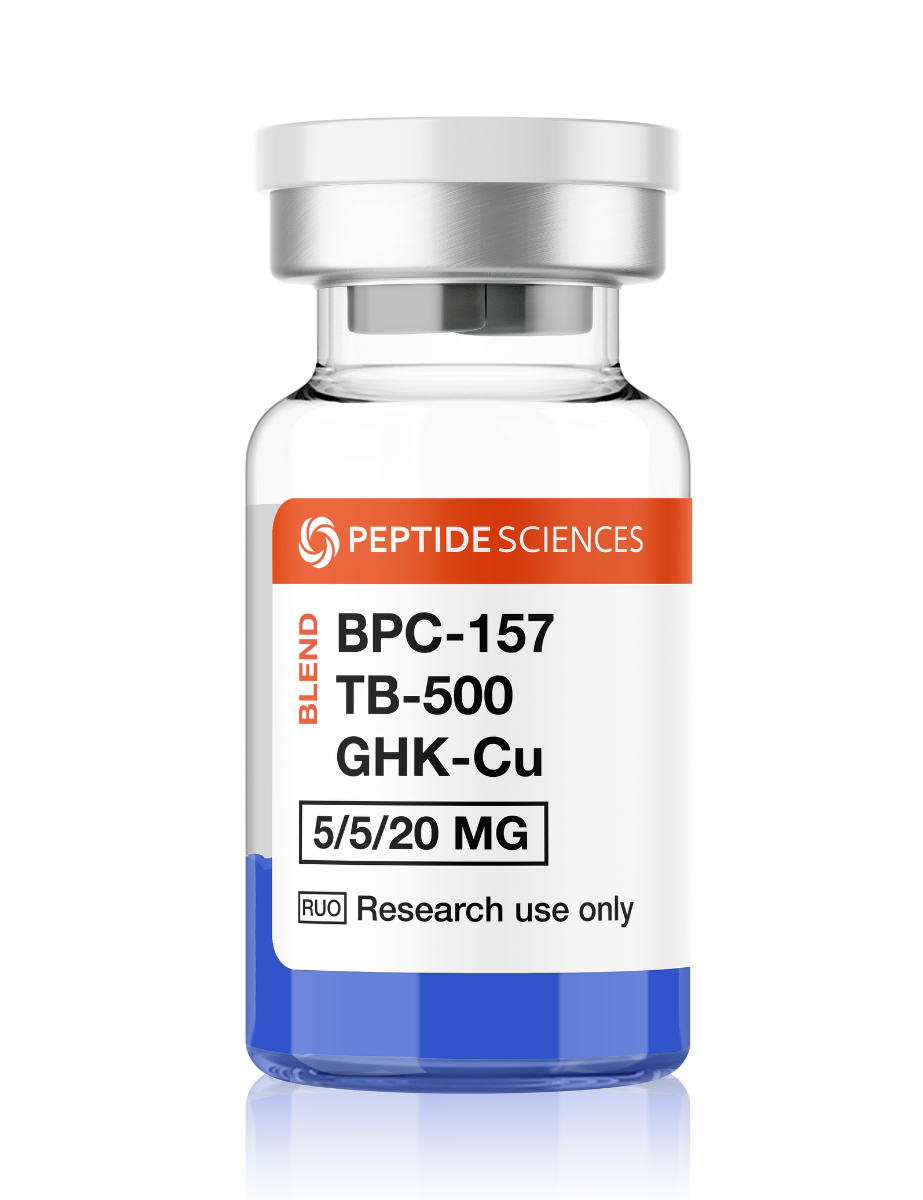
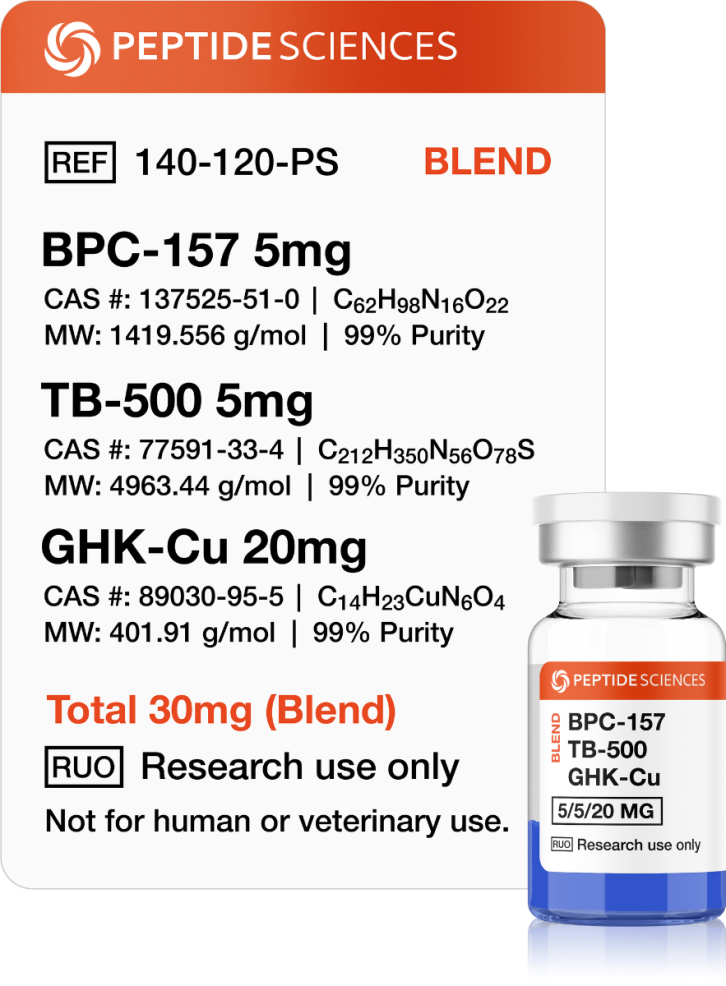
Any considerable disparity suggests the example isn't the claimed peptide. If you presume 100% content when the real material is 75%, your calculated dosages are 25% lower than planned. This clarifies why some researchers report weaker results than anticipated regardless of following published methods. ESI-MS (Electrospray Ionization Mass Spectrometry) produces multiply-charged ions, which makes it possible for evaluation of larger peptides and provides higher sensitivity. ESI is frequently combined with liquid chromatography (LC-MS), combining separation and identification in a single evaluation. The consequences mediocre peptides expand past lost cash. When you've validated a vendor's quality with screening, continuous purchases might not require specific confirmation unless scenarios transform. Affordable professional athletes thinking about peptides deal with extreme effects if items consist of outlawed substances not noted on labels. Health-focused applications including shot create direct security ramifications from product quality. When researching the very best peptide suppliers, independent testing of real items provides even more trustworthy details than evaluations or marketing claims. Finnrick offers an independent testing system especially developed for the peptide market. The company has actually tested over 4,500 samples from more than 169 vendors, producing a significant data NAD+ source of relative BPC-157 TB-500 Blend top quality information. Samples go through independent third-party laboratory confirmation. High-performance fluid chromatography (HPLC) confirms ≥ 99.3% purity, while mass spectrometry (MS) validates molecular identification and structural accuracy. Trustworthy measurement methods are vital for quality assurance. The purity of peptides is usually checked making use of high-performance fluid chromatography (HPLC). HPLC separates peptides based upon their interactions with a stationary stage, enabling pollutants and by-products to be identified and evaluated. In addition, mass spectrometry (MS) can be used to verify the peptide's molecular weight and series, offering further confirmation of purity by detecting pollutants and degradation items. This extensive overview covers everything you require to learn about peptide testing labs. Whether you're validating a new supplier or fixing unanticipated results, this resource provides you the understanding to make informed decisions concerning peptide quality. For a lot of readers of a peptide beginners' overview, "research-grade" is the world you operate in.